Understanding Different Methods of Asbestos Abatement: What’s Right for Your Property?
Colorado Springs, CO – Colorado Restoration Experts, a leading provider of asbestos abatement services in Colorado Springs, specializes in safe and effective solutions tailored to each property’s specific needs. With years of experience, their certified team helps property owners address asbestos contamination through professional asbestos contamination cleaning methods that prioritize health and regulatory compliance.
What is Asbestos Abatement?
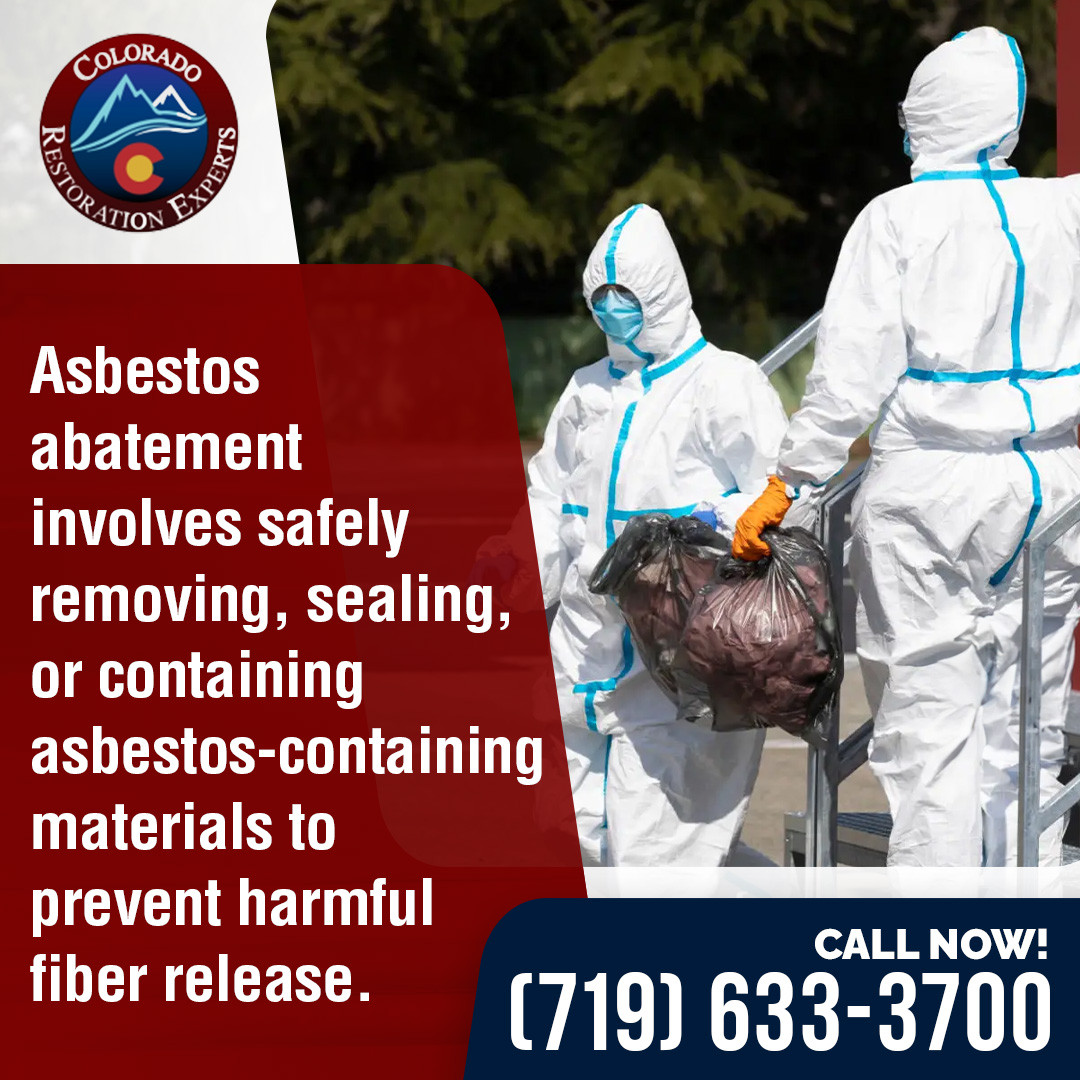
Asbestos abatement involves safely removing, sealing, or containing asbestos-containing materials to prevent harmful fiber release. These fibers pose serious health risks, including lung cancer and asbestosis. Over time, deteriorating asbestos materials increase contamination risks. Proper abatement is essential to maintain a safe environment, as improper handling can spread fibers and cause long-term health issues. Property owners suspecting asbestos contamination should consult professionals to determine the best abatement method for their property.
Types of Asbestos Abatement Methods
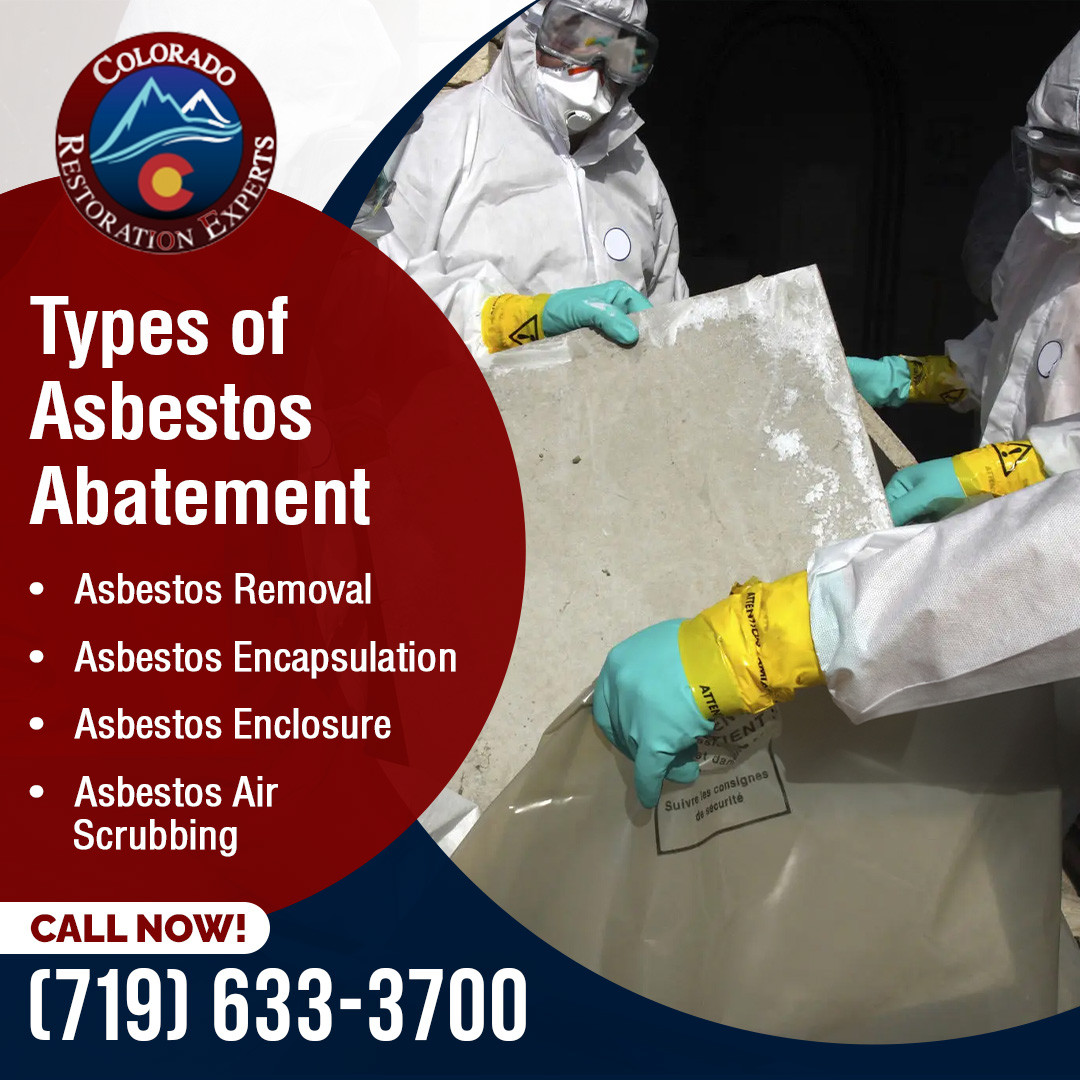
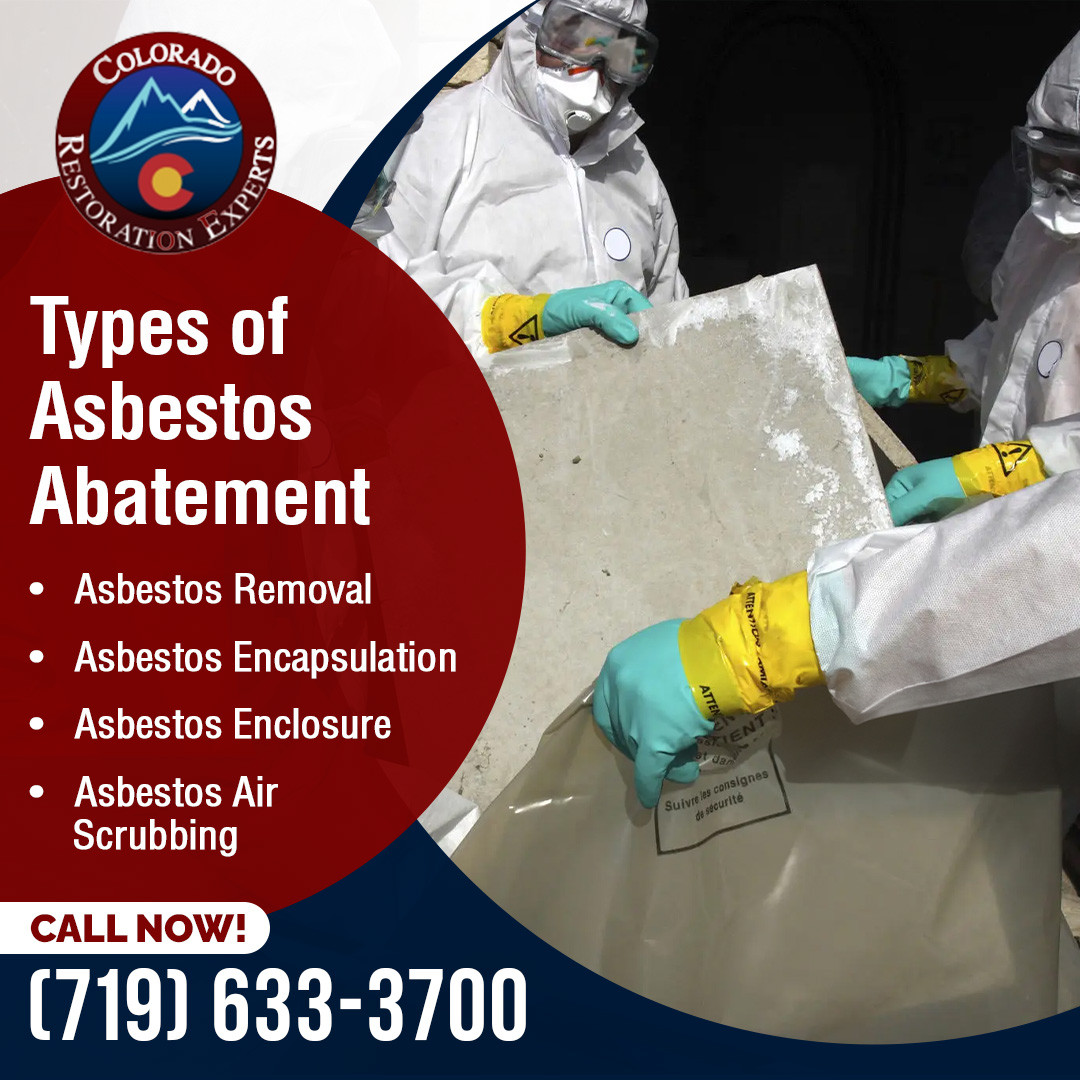
Different asbestos abatement methods are available depending on the condition of the asbestos and the structure of the building. The four primary approaches include asbestos removal, encapsulation, enclosure, and air scrubbing.
Asbestos Removal
Asbestos removal is the most thorough abatement method, involving the complete extraction of asbestos-containing materials. This is necessary when asbestos is damaged, deteriorating, or during renovations or demolitions. Trained professionals seal off the area, safely remove the materials with specialized equipment, and dispose of them according to regulations. Air monitoring makes sure that there are no remaining fibers. While effective in eliminating asbestos hazards permanently, it requires more time and investment due to complex removal and disposal processes.
Asbestos Encapsulation
Encapsulation involves applying a protective sealant to asbestos materials, preventing harmful fiber release. This method is ideal when asbestos is in good condition and poses minimal risk if undisturbed. A professional team applies the sealant to bind the fibers. It’s a cost-effective, less disruptive solution compared to removal. However, encapsulation requires regular monitoring to make sure that the sealant remains intact and is not a permanent solution like full asbestos removal.
Asbestos Enclosure
Enclosure involves building a physical barrier around asbestos materials to prevent fiber release, often used in hard-to-reach areas or when removal isn’t feasible. A structure like drywall or plywood is placed around the asbestos, containing the materials and reducing exposure risk. While it offers a safer environment without immediate removal, enclosure is a temporary solution and requires regular inspections to provide ongoing safety and effectiveness.
Asbestos Air Scrubbing
Asbestos air scrubbing is vital during asbestos abatement, particularly when materials have been disturbed or removed. Specialized air scrubbers with HEPA filters capture asbestos fibers, ensuring air quality remains safe. Air scrubbing continues throughout the process and may be used after removal for ongoing monitoring. While it increases project costs, air scrubbing is essential for maintaining a safe environment, especially in enclosed spaces or following asbestos removal, ensuring the area is safe for re-entry.
Choosing the Right Asbestos Contamination Cleaning Method
Selecting the best asbestos contamination cleaning method depends on several factors, including:
Extent of Asbestos Contamination: If asbestos is widespread or severely damaged, removal is often the best option. For minor contamination, encapsulation or enclosure may suffice.
Location of Asbestos: Asbestos in high-traffic or frequently accessed areas poses a greater risk of fiber release. In these situations, complete removal is usually necessary to protect building occupants from exposure.
Budget and Time Constraints: Removal is the most effective long-term solution but requires a larger investment. Encapsulation and enclosure offer more affordable short-term solutions but require ongoing maintenance.
Long-Term Safety and Maintenance: Removal eliminates future risks, whereas encapsulation and enclosure require regular monitoring to provide continued safety.
The Importance of Professional Asbestos Abatement
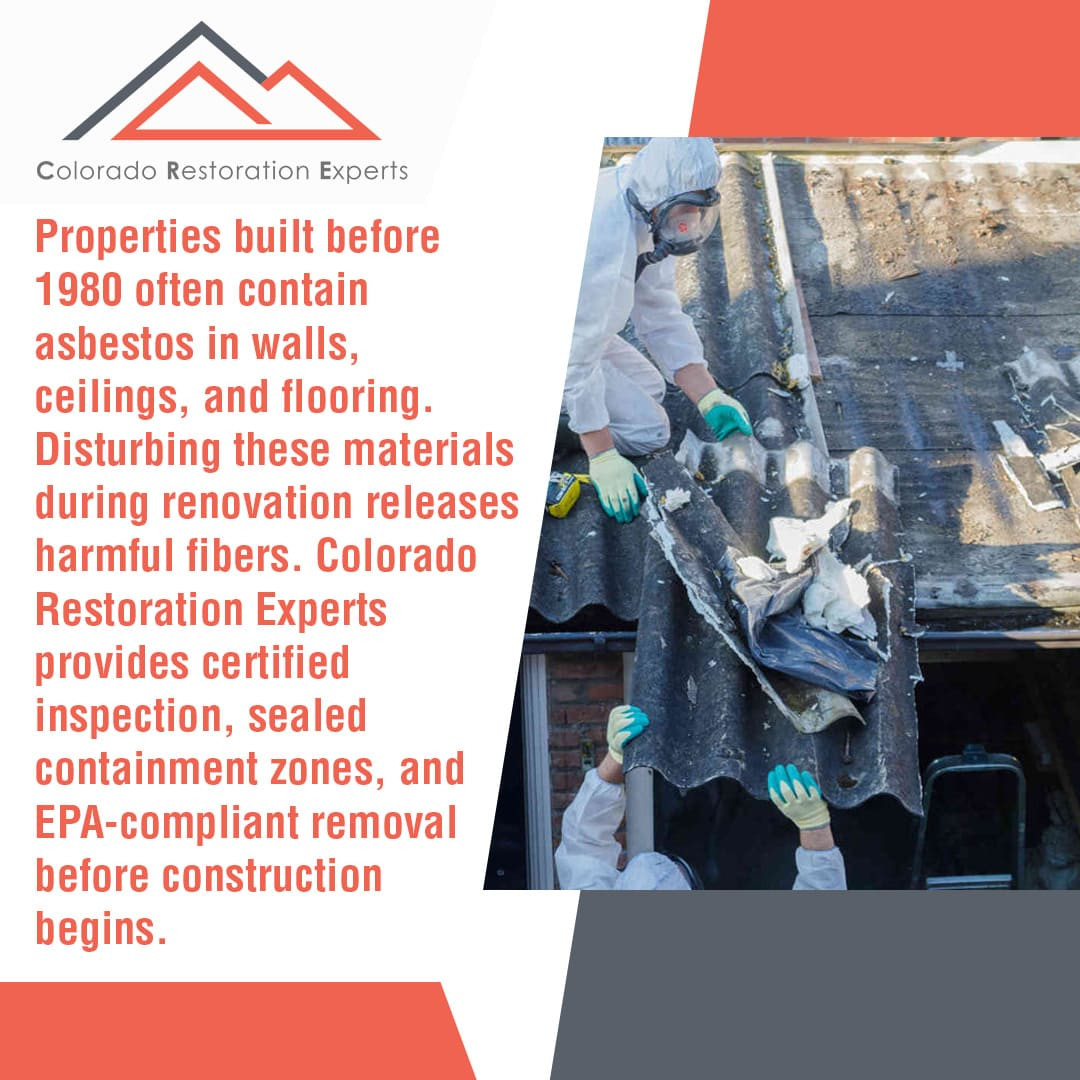
Handling asbestos contamination requires trained professionals to prevent exposure risks. Certified asbestos abatement companies follow strict safety procedures, ensuring compliance with local, state, and federal regulations. A professional abatement process includes site containment, air quality monitoring, safe material removal, and proper disposal.
Property owners should never attempt to remove asbestos on their own, as improper handling can increase contamination risks. Working with a certified asbestos abatement company guarantees that the process is performed safely and effectively, reducing health hazards and legal liabilities.
Colorado Restoration Experts: Your Trusted Partner in Asbestos Abatement
Colorado Restoration Experts, offers professional asbestos abatement services in Colorado Springs and the surrounding areas. Their certified team assesses the level of asbestos contamination and recommends the most effective method, whether removal, encapsulation, enclosure, or air scrubbing. Committed to safety and quality, Colorado Restoration Experts adheres to industry best practices to safeguard homes and businesses from asbestos exposure, ensuring compliance with environmental regulations.
For trusted asbestos abatement solutions, contact Colorado Restoration Experts today at (719) 633-3700 or email tim@coloradorestore.com to schedule an assessment and secure a safer, asbestos-free property.



No comments:
Post a Comment