Monday, June 30, 2025

Colorado Restoration Experts Help Colorado Springs Homes Tackle Meth Risks

What Happens During Meth Decontamination? A Step-by-Step Breakdown for Property Owners

Colorado Springs, CO — Meth contamination in homes and businesses is a serious problem that many property owners in Colorado Springs face today. The residue left behind from methamphetamine use or production poses significant health risks and legal concerns. Colorado Restoration Experts, a trusted local restoration company, is now providing clear information about what happens during meth decontamination and why professional meth restoration is vital for safety and compliance.

Meth Decontamination and Its Importance

Meth decontamination is the process of removing dangerous methamphetamine residue from properties affected by meth use or illegal production. This residue can remain invisible but toxic, making any property unsafe for residents or tenants. The cleanup process, also known as meth restoration, involves more than just cleaning; it requires thorough testing, containment, careful cleaning, and final clearance to make sure that the property meets safety standards. 

Colorado’s health regulations set a contamination threshold at 0.5 micrograms per 100 square centimeters. Properties with contamination above this limit must undergo professional meth decontamination before they can be rented, sold, or safely occupied again. This limit is designed to protect public health and reduce exposure to hazardous chemicals.


What Happens During the Meth Decontamination Process?

The meth decontamination process involves several critical steps to fully remove hazardous contamination and restore the property. Colorado Restoration Experts breaks down the key phases for property owners:

1. Professional Testing and Assessment

Certified technicians collect samples from surfaces, including walls, floors, ceilings, plumbing, and HVAC systems. These samples are analyzed in a lab to measure meth residue levels and locate contamination zones. This testing is vital to target cleanup efforts properly and document contamination for legal or insurance needs.

2. Preparing the Property

Once contaminated areas are identified, personal belongings and materials like furniture, bedding, and filters that absorb residue are reviewed. Items that cannot be cleaned safely are removed to prevent the spread during restoration. This step also involves clearing areas and securing the property for a smooth cleanup process.

3. Containment of Affected Areas

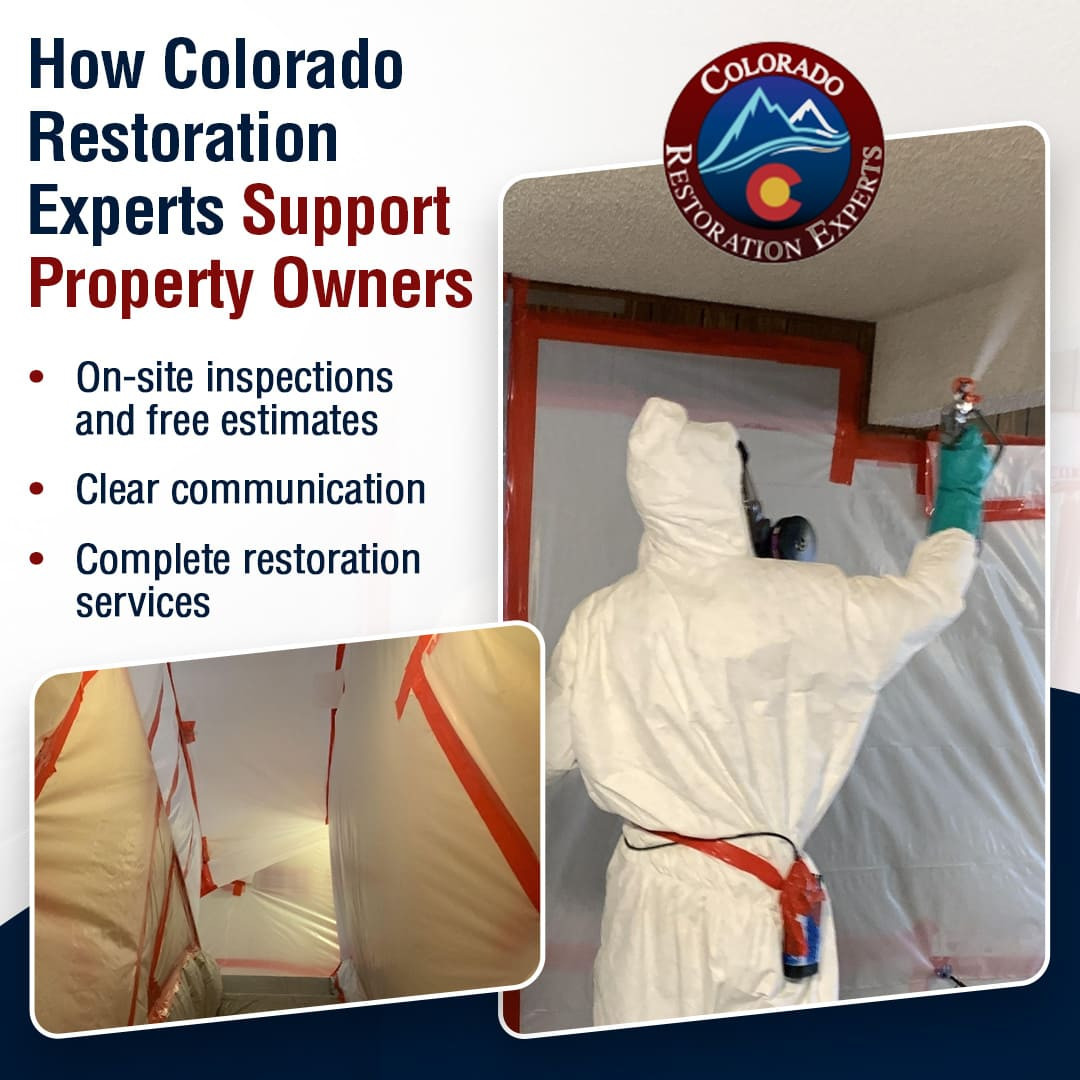
To prevent cross-contamination, restoration crews seal off contaminated rooms using plastic sheeting and zip walls. HEPA air filtration units help capture airborne particles. Containment protects uncontaminated areas and helps workers focus on thorough cleaning without risking additional exposure.

4. Thorough Cleaning and Decontamination

Licensed meth restoration specialists use specialized chemical agents and HEPA vacuuming to clean every affected surface. In severe cases, porous materials like drywall and flooring may be removed and replaced. The team also cleans ventilation and plumbing systems where meth residue may cling. This phase is very important to reduce toxins below the state safety limits.

5. Final Inspection and Clearance

After cleaning, a third-party inspection confirms that meth residue levels are below the regulated threshold. Passing this final test certifies the property as safe for re-entry, providing legal assurance to owners, tenants, and buyers.

Why Professional Meth Restoration Is Essential

Meth residue adheres strongly to surfaces and cannot be removed with typical household cleaning products. Professional meth restoration uses specialized industrial-grade chemicals and equipment designed to break down and safely remove these toxins. 

Equipment such as HEPA filters and negative air machines prevent contaminated dust and fumes from spreading during cleanup. Only licensed professionals trained in meth decontamination can make sure that the property meets legal and safety standards.

Without professional cleanup and third-party clearance, properties remain hazardous, creating ongoing health risks and potential legal penalties for owners.

How Colorado Restoration Experts Support Property Owners

Colorado Restoration Experts, located in Colorado Springs, CO, provides clear, transparent, and personalized service throughout the meth decontamination process, helping property owners feel informed and confident.

  • On-site inspections and free estimates: Each property receives a thorough inspection to identify contamination and develop a tailored cleanup plan.

  • Clear communication: The team explains the meth decontamination process, costs, and timelines without pressure or unnecessary upselling.

  • Complete restoration services: Beyond cleaning, Colorado Restoration Experts handles repairs like drywall replacement and HVAC servicing to fully restore properties.


This complete approach helps property owners restore safe, healthy spaces while protecting their investments.


Protect Your Property and Health with Colorado Restoration Experts

Meth contamination can remain hidden for years but still cause serious health problems. Early testing and professional meth restoration reduce risks and ensure compliance with Colorado law.

If you suspect your property has been exposed to meth contamination, act quickly. Colorado Restoration Experts offers licensed meth restoration services with expert care and clear guidance. For more information or to schedule an inspection, call (719) 633-3700 or email tim@coloradorestore.com.

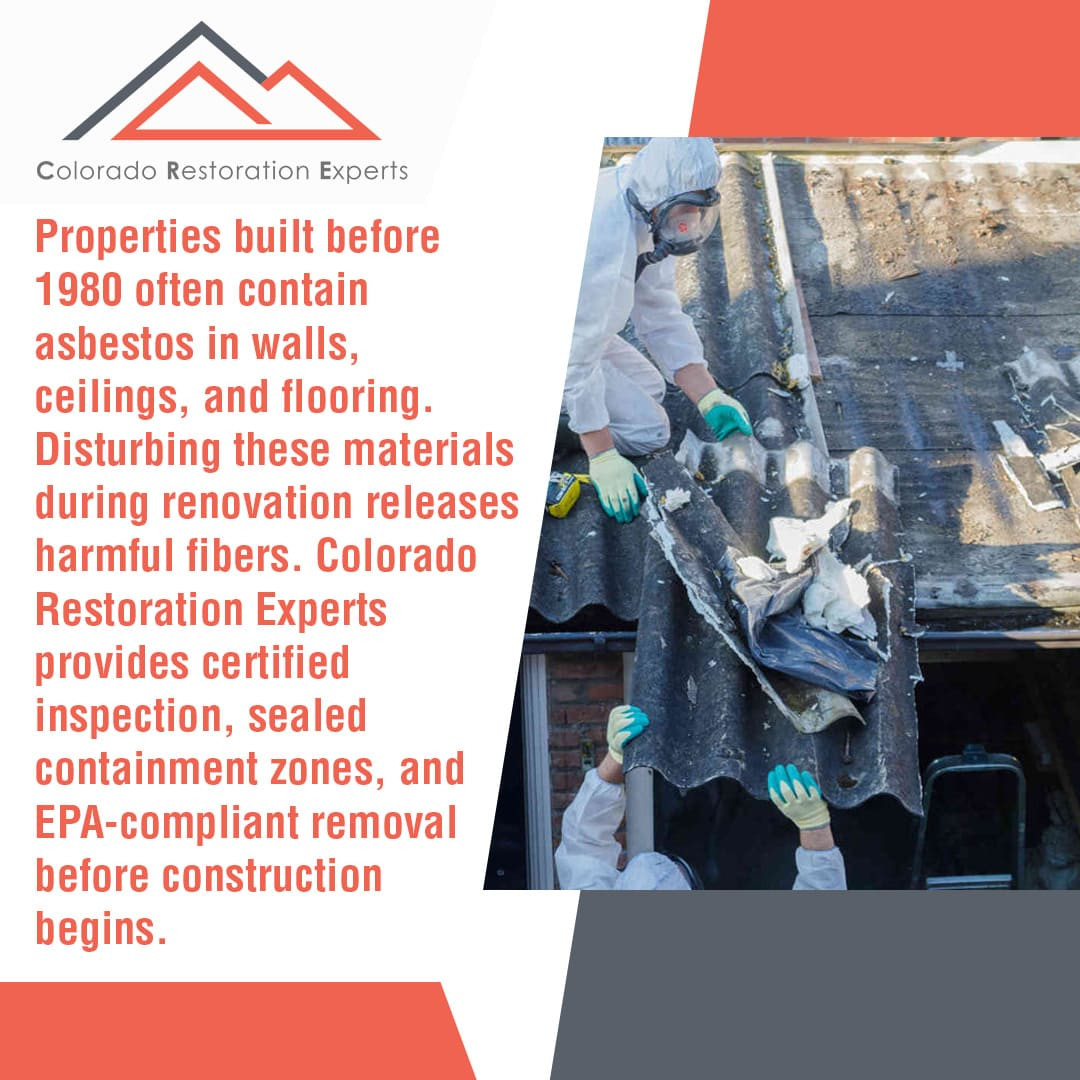
CRE Emphasize Safe Home Remodeling Through Asbestos Removal Safe Renovations Start Here: Why Every Remodel Should Begin with Asbestos Abatement in Colorado Colorado Springs, United States - November 7, 2025 / Colorado Restoration Experts / Colorado Springs, CO — Colorado Restoration Experts (CRE) reminds homeowners and property managers that safe renovations start with proper asbestos handling. For many properties built before 1980, asbestos remains a hidden hazard in insulation, flooring, ceilings, and wall materials. Disturbing these materials during renovation can release harmful fibers into the air. With years of experience in asbestos removal in Colorado Springs, CRE provides licensed inspection, removal, and reconstruction services designed to make remodeling safe and compliant with state regulations. Why Asbestos Testing Should Be the First Step in Any Remodel Asbestos testing identifies risks before construction begins. Even minor renovation activities, such as drilling, sanding, or replacing flooring, can disturb asbestos-containing materials. Once airborne, these fibers can remain in the air and cause long-term health problems if inhaled. Certified inspectors collect samples from potential risk areas and send them to approved laboratories for analysis. By identifying asbestos early, homeowners and contractors can plan safe removal without delays or exposure. CRE’s certified inspectors follow strict state and federal procedures to document findings and guide the next steps in the abatement process. How Asbestos Abatement Experts Conduct Safe Removal Professional abatement prevents contamination during removal. CRE’s asbestos abatement experts use sealed containment zones, negative air pressure systems, and protective equipment to isolate and remove hazardous materials safely. Every project follows EPA and Colorado Department of Public Health guidelines to protect residents, workers, and the surrounding environment. Testing and Identification Process The removal process begins with thorough testing to locate asbestos materials in walls, ceilings, insulation, and floors. Certified laboratories confirm the type and concentration of asbestos, helping determine the correct removal methods. Containment and Removal Protocols Work areas are sealed off with barriers and negative air pressure systems to prevent fiber spread. Technicians wear full protective gear while removing materials in controlled conditions. These steps allow the renovation to proceed safely once abatement is complete. Disposal According to Colorado State Regulations All asbestos waste is transported to licensed disposal facilities in compliance with state law. Proper handling prevents environmental contamination and ensures that the abatement of asbestos in Colorado meets strict safety and environmental standards. The Role of 3rd-Party Testing and Verification Independent testing confirms complete removal and project safety. After asbestos abatement, certified third-party inspectors verify that the property is free from contamination. Air quality testing confirms that asbestos fibers are no longer present, allowing construction and occupancy to continue safely. This verification step provides documented proof that the environment meets health and regulatory requirements. CRE collaborates with trusted third-party testing agencies to maintain transparency and accuracy in every project. How Colorado Restoration Experts Support Safe Renovations Colorado Restoration Experts, based in Colorado Springs, CO, manages every phase of asbestos abatement and property restoration. The company’s licensed team handles testing, removal, and full reconstruction, allowing homeowners to complete their renovations efficiently while maintaining safety at every step. On-Site Assessments and Transparent Estimates Before any work begins, CRE provides detailed on-site evaluations. Clients receive line-item estimates that clearly outline the scope of work, costs, and timeline. This transparency helps property owners plan projects without unexpected expenses or delays. Full Reconstruction Services After Abatement Once asbestos removal is complete, CRE restores affected areas with care. Services include drywall repair, flooring replacement, painting, and other reconstruction work to return spaces to a safe and livable condition. Homeowners seeking asbestos abatement in Colorado appreciate the company’s ability to complete both abatement and rebuilding under one trusted team. Adherence to Colorado Compliance Standards Every project follows Regulation 8, which governs asbestos handling and disposal in Colorado. This commitment to compliance protects property owners from penalties and guarantees that work meets legal and environmental standards. Preparing Properties for Renovation Without Risk Proper preparation prevents exposure during remodeling. Before renovations begin, CRE advises homeowners and contractors to schedule professional inspections and restrict access to areas suspected of containing asbestos. Isolating these zones and using protective barriers minimizes the risk of spreading hazardous materials. During construction, ventilation systems should be turned off, and workers should wear personal protective equipment. Following these steps keeps renovation sites organized and safe while waiting for clearance testing. Schedule a Safe Renovation Consultation Start your remodel safely with a professional asbestos inspection from Colorado Restoration Experts. Call (719) 633-3700 or email tim@coloradorestore.com to schedule your consultation. The company provides detailed line-item estimates, certified abatement of asbestos in Colorado, and full reconstruction services to restore properties efficiently and safely.

Safe Renovations Start Here: Why Every Remodel Should Begin with Asbestos Abatement in Colorado Colorado Springs, CO —  Colorado Restoration...