What Happens During Meth Decontamination? A Step-by-Step Breakdown for Property Owners
Colorado Springs, CO — Meth contamination in homes and businesses is a serious problem that many property owners in Colorado Springs face today. The residue left behind from methamphetamine use or production poses significant health risks and legal concerns. Colorado Restoration Experts, a trusted local restoration company, is now providing clear information about what happens during meth decontamination and why professional meth restoration is vital for safety and compliance.
Meth Decontamination and Its Importance
Meth decontamination is the process of removing dangerous methamphetamine residue from properties affected by meth use or illegal production. This residue can remain invisible but toxic, making any property unsafe for residents or tenants. The cleanup process, also known as meth restoration, involves more than just cleaning; it requires thorough testing, containment, careful cleaning, and final clearance to make sure that the property meets safety standards.
Colorado’s health regulations set a contamination threshold at 0.5 micrograms per 100 square centimeters. Properties with contamination above this limit must undergo professional meth decontamination before they can be rented, sold, or safely occupied again. This limit is designed to protect public health and reduce exposure to hazardous chemicals.

What Happens During the Meth Decontamination Process?
The meth decontamination process involves several critical steps to fully remove hazardous contamination and restore the property. Colorado Restoration Experts breaks down the key phases for property owners:
1. Professional Testing and Assessment
Certified technicians collect samples from surfaces, including walls, floors, ceilings, plumbing, and HVAC systems. These samples are analyzed in a lab to measure meth residue levels and locate contamination zones. This testing is vital to target cleanup efforts properly and document contamination for legal or insurance needs.
2. Preparing the Property
Once contaminated areas are identified, personal belongings and materials like furniture, bedding, and filters that absorb residue are reviewed. Items that cannot be cleaned safely are removed to prevent the spread during restoration. This step also involves clearing areas and securing the property for a smooth cleanup process.
3. Containment of Affected Areas
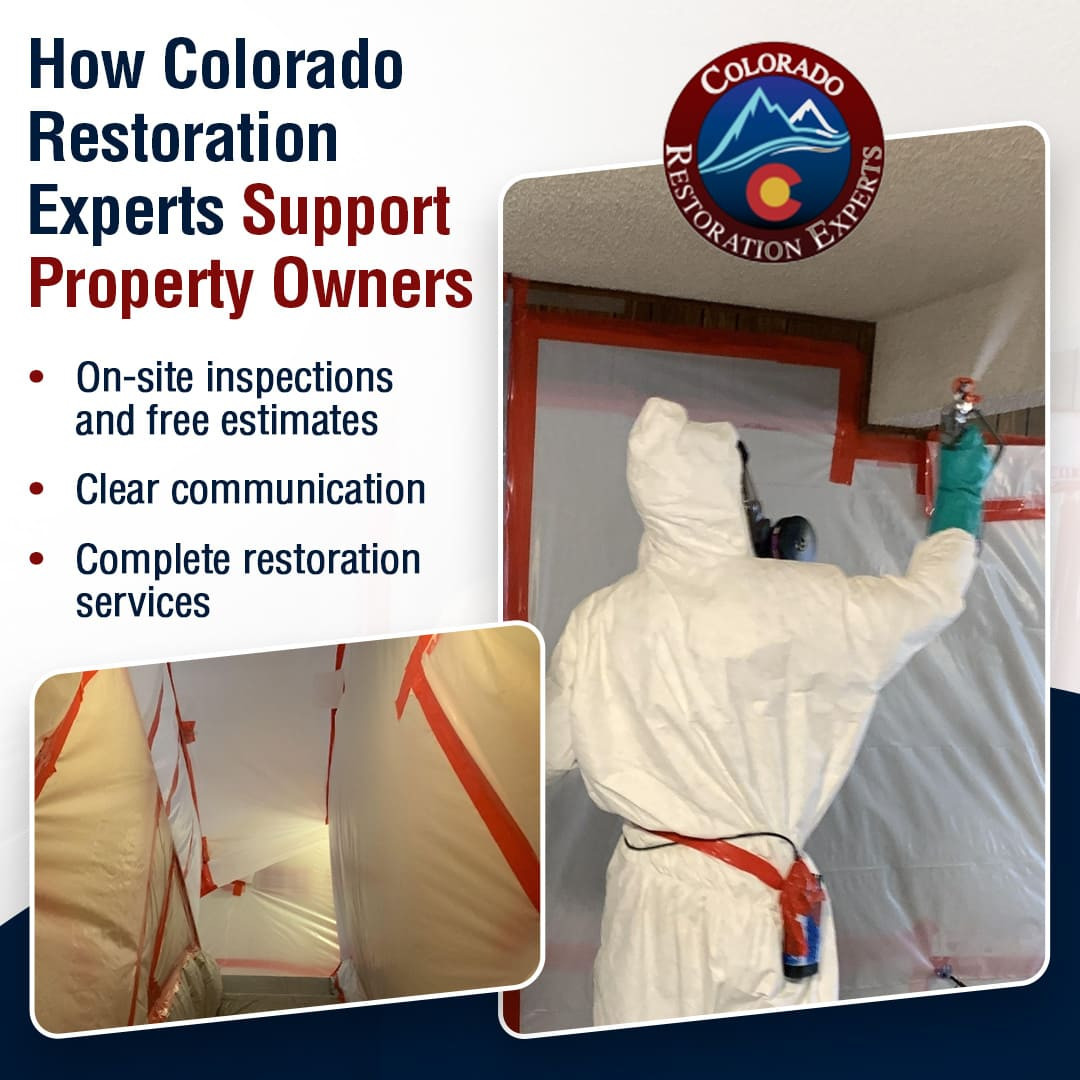
To prevent cross-contamination, restoration crews seal off contaminated rooms using plastic sheeting and zip walls. HEPA air filtration units help capture airborne particles. Containment protects uncontaminated areas and helps workers focus on thorough cleaning without risking additional exposure.
4. Thorough Cleaning and Decontamination
Licensed meth restoration specialists use specialized chemical agents and HEPA vacuuming to clean every affected surface. In severe cases, porous materials like drywall and flooring may be removed and replaced. The team also cleans ventilation and plumbing systems where meth residue may cling. This phase is very important to reduce toxins below the state safety limits.
5. Final Inspection and Clearance
After cleaning, a third-party inspection confirms that meth residue levels are below the regulated threshold. Passing this final test certifies the property as safe for re-entry, providing legal assurance to owners, tenants, and buyers.
Why Professional Meth Restoration Is Essential
Meth residue adheres strongly to surfaces and cannot be removed with typical household cleaning products. Professional meth restoration uses specialized industrial-grade chemicals and equipment designed to break down and safely remove these toxins.
Equipment such as HEPA filters and negative air machines prevent contaminated dust and fumes from spreading during cleanup. Only licensed professionals trained in meth decontamination can make sure that the property meets legal and safety standards.
Without professional cleanup and third-party clearance, properties remain hazardous, creating ongoing health risks and potential legal penalties for owners.
How Colorado Restoration Experts Support Property Owners
Colorado Restoration Experts, located in Colorado Springs, CO, provides clear, transparent, and personalized service throughout the meth decontamination process, helping property owners feel informed and confident.
On-site inspections and free estimates: Each property receives a thorough inspection to identify contamination and develop a tailored cleanup plan.
Clear communication: The team explains the meth decontamination process, costs, and timelines without pressure or unnecessary upselling.
Complete restoration services: Beyond cleaning, Colorado Restoration Experts handles repairs like drywall replacement and HVAC servicing to fully restore properties.
This complete approach helps property owners restore safe, healthy spaces while protecting their investments.

Protect Your Property and Health with Colorado Restoration Experts
Meth contamination can remain hidden for years but still cause serious health problems. Early testing and professional meth restoration reduce risks and ensure compliance with Colorado law.
If you suspect your property has been exposed to meth contamination, act quickly. Colorado Restoration Experts offers licensed meth restoration services with expert care and clear guidance. For more information or to schedule an inspection, call (719) 633-3700 or email tim@coloradorestore.com.



No comments:
Post a Comment